Fast reactor technology offers more than a new way to generate electricity. It also presents an opportunity to rethink how the United States uses its nuclear fuel resources.
Today, spent nuclear fuel is generally treated as waste and stored after its use in a reactor. However, that material still contains valuable resources that could potentially be recovered and used to produce additional energy.
As discussions across the nuclear industry increasingly focus on fuel availability, recycling, reprocessing, and domestic supply chain capabilities, the potential for a closed nuclear fuel cycle remains an important part of the conversation about nuclear energy’s future.
At First American Nuclear (FANCO), this opportunity is part of the vision behind the company’s EAGL-1 fast reactor.
Rethinking Spent Nuclear Fuel
Traditional nuclear reactors in the United States typically operate on what is known as an open fuel cycle, where nuclear fuel is used in a reactor and then removed for storage.
A closed nuclear fuel cycle takes a different approach.
Rather than treating spent fuel solely as waste, usable materials can be recovered through reprocessing and manufactured into new nuclear fuel. This allows nuclear resources to be used more efficiently and creates opportunities to generate additional energy from materials that have already passed through a reactor.
Fast reactors are particularly well-suited to supporting this approach because of their ability to utilize a broader range of nuclear fuel materials.
However, realizing the potential of a closed fuel cycle requires more than reactor technology alone. It also depends on developing the fuel processing, fabrication, and supporting infrastructure needed to recover and reuse nuclear materials.
EAGL-1 and the Potential for a Closed Fuel Cycle
FANCO’s EAGL-1 reactor is being developed with the potential to support a closed nuclear fuel cycle.
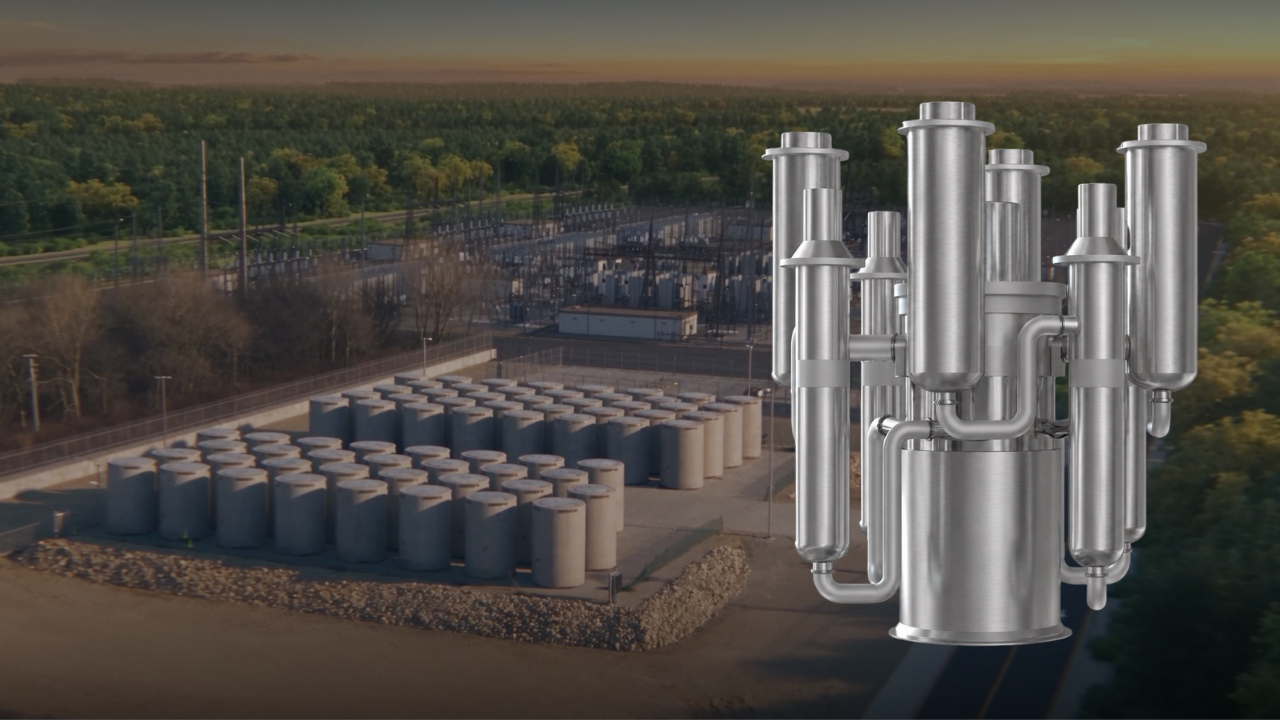
As described by FANCO’s engineering team, a potential future fuel cycle configuration could involve transferring used reactor fuel to a reprocessing facility, where usable materials could be separated, recovered, and incorporated into newly manufactured nuclear fuel.
This approach could reduce the amount of material requiring long-term management while extending the energy potential of existing nuclear resources.
It also represents an opportunity to create economic activity and jobs associated with fuel processing, manufacturing, and advanced nuclear operations.
For FANCO, the development of EAGL-1 is part of a broader effort to advance practical nuclear deployment. While the reactor is being developed with the potential to support future fuel recycling, realizing that capability will depend on advancements across the nuclear fuel cycle, including domestic recycling and reprocessing infrastructure.
A New Perspective on Energy Security
The United States already has significant quantities of spent nuclear fuel in storage. While this material presents long-term management challenges, it also represents a potential domestic energy resource.
Developing technologies capable of recovering and reusing valuable materials from spent fuel could help strengthen energy security by making better use of resources already within the country.
Recent industry discussions have reinforced the importance of aligning reactor development with the fuel supply chains and infrastructure necessary to support long-term nuclear deployment.
For FANCO, the opportunity extends beyond electricity generation. It’s about developing nuclear technology that could support a more resource-efficient and resilient domestic energy system.
The future of nuclear energy isn’t only about how much electricity we can generate. It’s also about how effectively we use the fuel resources available to us.
Learn more about FANCO’s advanced nuclear technology at www.fanuclear.com.