Some engineering knowledge can be found in textbooks, technical reports and design documents.
Some comes from having done the work.
For decades, engineers in the United States designed, tested and operated liquid-metal fast reactor systems. Today, the number of people with firsthand experience working with those technologies is smaller.
For First American Nuclear (FANCO), preserving that experience while combining it with the capabilities of a new generation of engineers is part of developing EAGL-1.
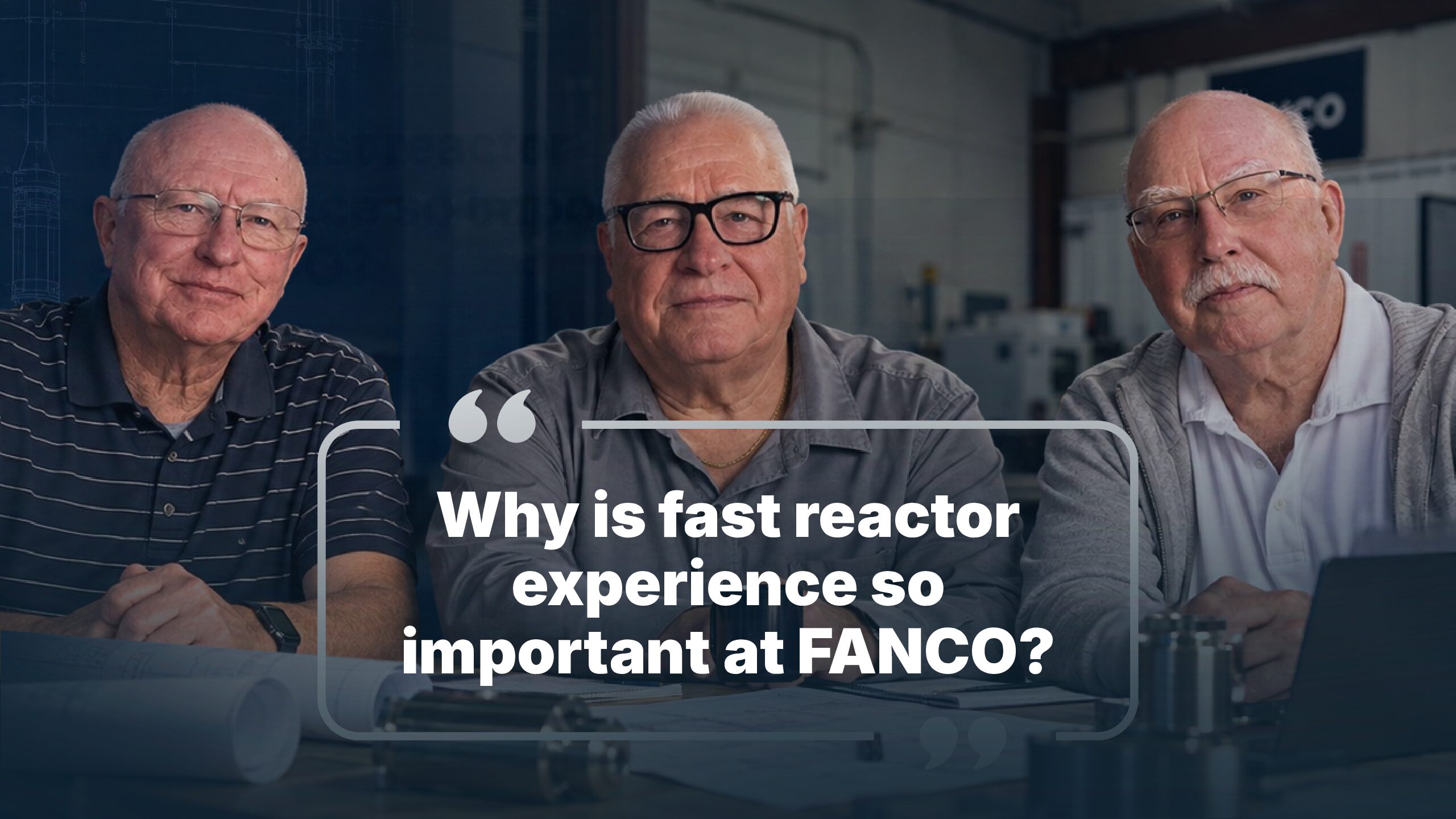
Among the engineers contributing to that work are Al Farabee, Peter Gibbons and Steve Hiller, whose careers include experience with the Fast Flux Test Facility (FFTF) at the Hanford Site in Washington.
Their experience represents more than familiarity with an earlier reactor. It includes lessons learned from operating, maintaining, testing and working directly with complex nuclear systems.
Knowledge Built Through Experience
FFTF was a sodium-cooled fast reactor designed to test fuels and materials for advanced nuclear technologies.
Working with a facility like FFTF required engineers to solve problems that did not always have simple answers.
For Farabee, that experience included nuclear engineering and plant operations. Gibbons spent 15 years working with FFTF equipment and systems, including fuel-handling-related systems. Hiller’s experience includes reactor operations, refueling and fuel handling.
Each saw a different part of what it takes to make a complex nuclear facility function.
And each accumulated knowledge that can be difficult to recreate once the people who developed it leave the industry.
Passing Lessons Forward
Preserving experience does not mean designing the next reactor exactly like the last one.
EAGL-1 is not FFTF.
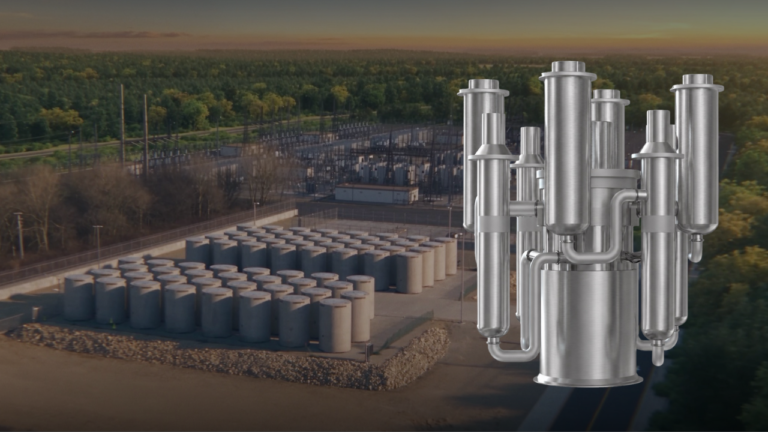
FFTF used sodium coolant and was built as a test reactor. EAGL-1 is being developed as a 240-megawatt electric (MWe) fast-spectrum small modular reactor using lead-bismuth coolant for commercial power generation.
The value of experience is in understanding which lessons still matter.
It can be knowing where complexity tends to emerge. Recognizing when a seemingly small design detail could become an operational challenge. Understanding how systems interact outside of an engineering model. Or knowing when additional testing is needed before an assumption becomes a design decision.
Those lessons can then be paired with new analytical tools, modeling capabilities and ideas from engineers entering the field today.
Experience Meets a New Generation
Advanced nuclear development is not simply about preserving what came before.
It is about building on it.
Experienced engineers bring knowledge shaped by systems they have designed, tested and operated. Younger engineers bring new tools, new approaches and new ways of solving problems.
Bringing those perspectives together creates an opportunity for knowledge to move forward rather than disappear between generations.
For FANCO, that exchange is part of the work underway on EAGL-1.
The technology may be different. The tools may be different. The people working on the problems may span generations.
But lessons only carry forward when someone has the opportunity to apply them.