AFFORDABLE CLEAN ENERGY THROUGH AMERICAN NUCLEAR LEADERSHIP
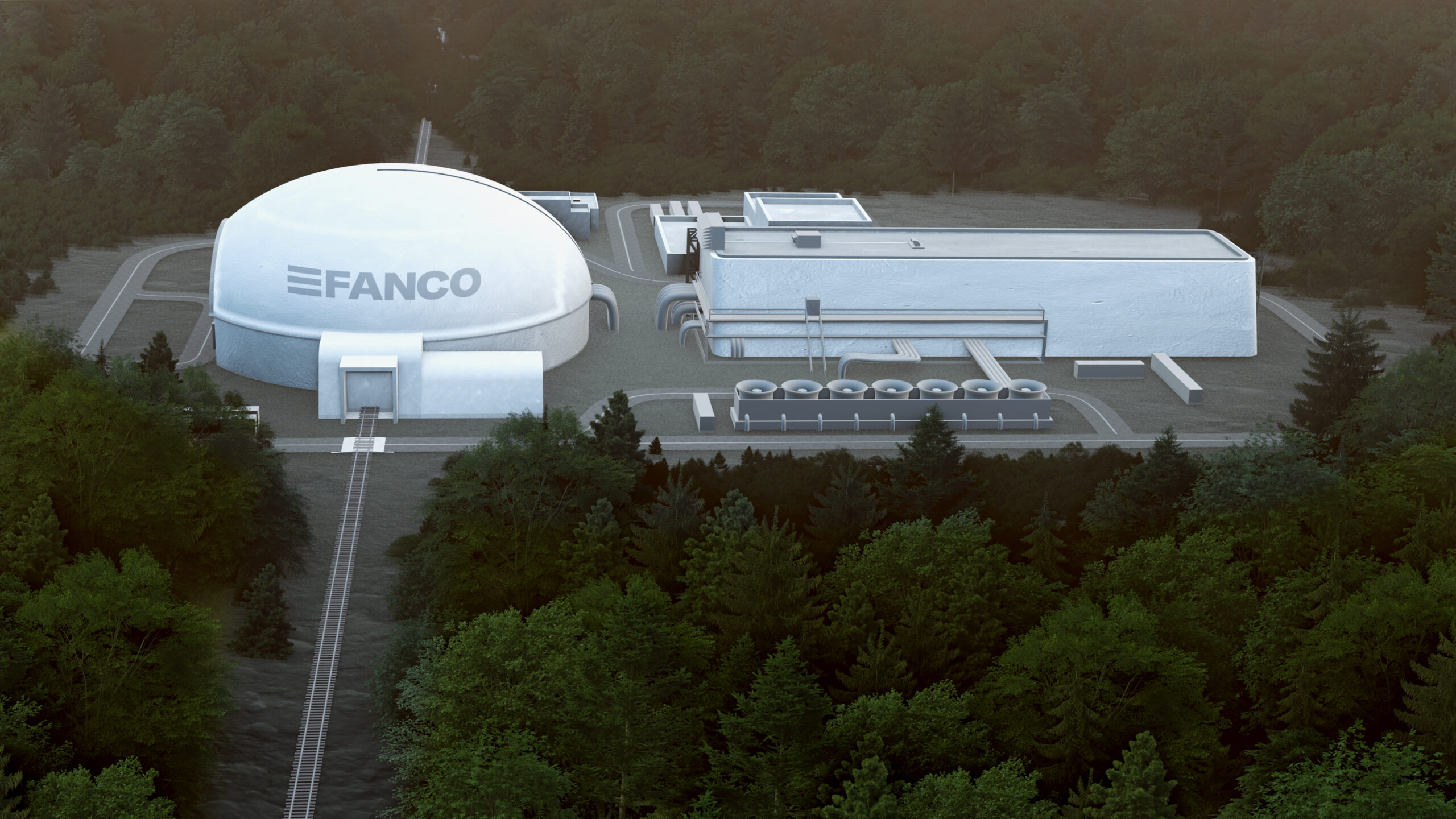
FANCO is focused on delivering clean, reliable, utility-scale power to data centers, manufacturing facilities, military bases, communities, and countries at a cost competitive with other power sources.
It starts with EAGL-1
The only reactor of any kind in the U.S. that uses lead-bismuth cooling technology, which overcomes the most arduous challenges to delivering safe, reliable, utility-scale energy at an affordable cost.
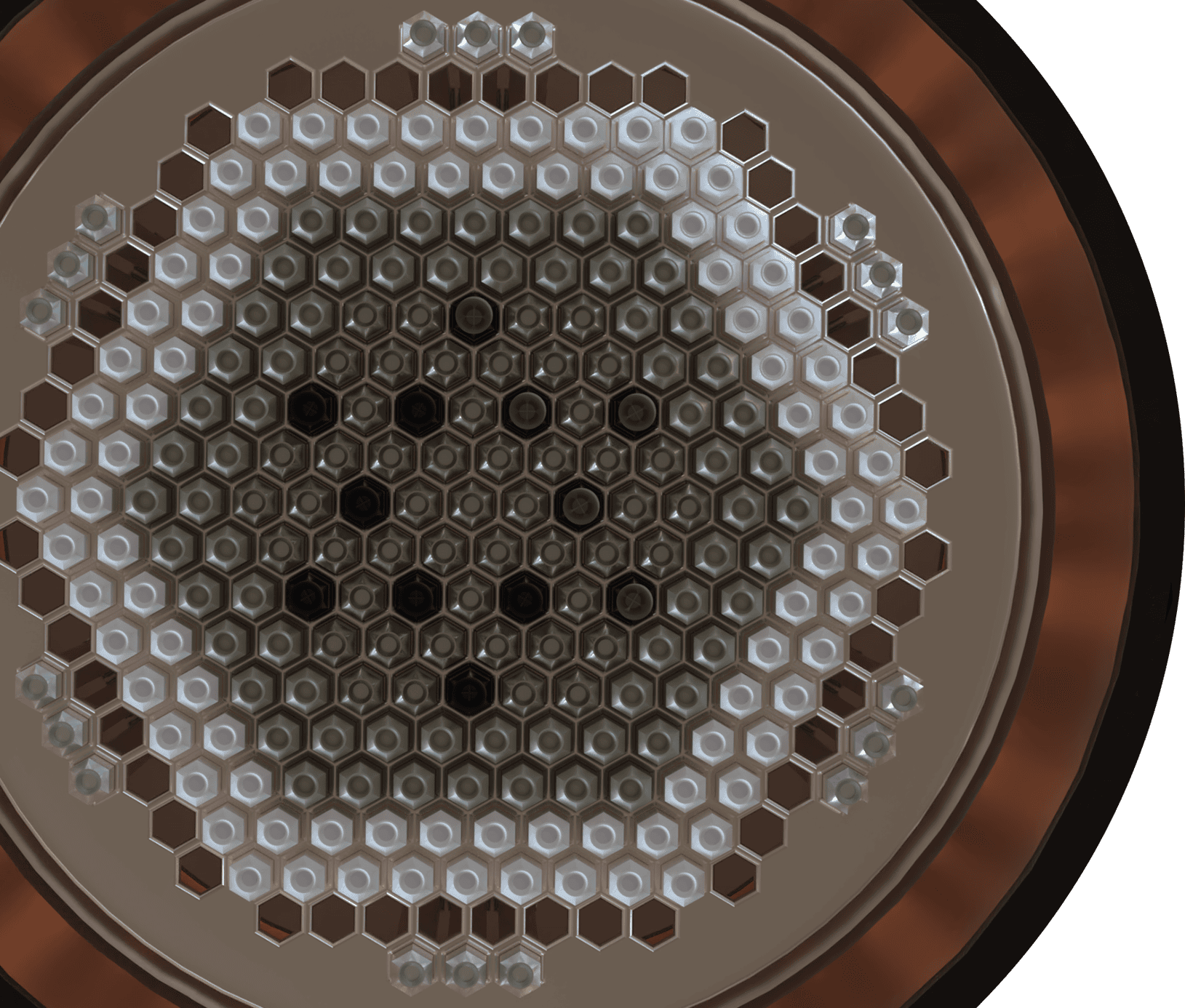
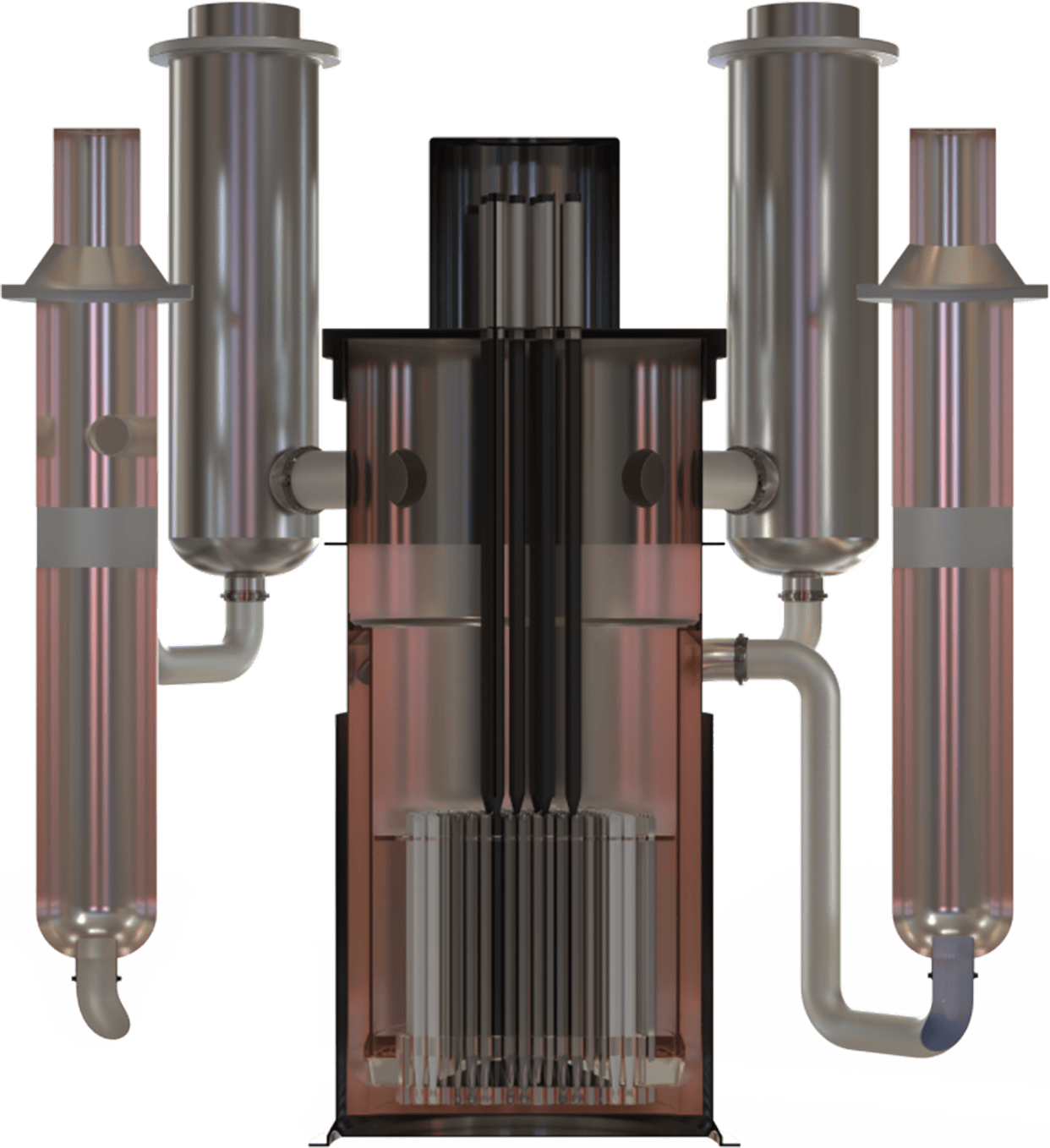
A liquid metal fast reactor (LMFR), each EAGL-1 unit produces 240 megawatts electric (MWe) and 600 megawatts thermal (MWt).
A standard six-reactor cluster can power approximately 1.5 million homes, yet with a 10-times smaller footprint than sites with similar power outputs.
Lead-bismuth technology is proven, but only a small number of people in the U.S. have the technical and operational expertise to commercialize it. Most of those people work at FANCO.
The coolant is the key
Lead-bismuth operates at low pressure and does not react violently with air or water, eliminating the need for high-pressure systems, large containment domes, and costly intermediate loops.
The result is a simpler, more compact reactor design with fewer components and reduced complexity.
The properties of lead-bismuth enable the use of commercially available, off-the-shelf equipment, rather than custom-engineered parts.
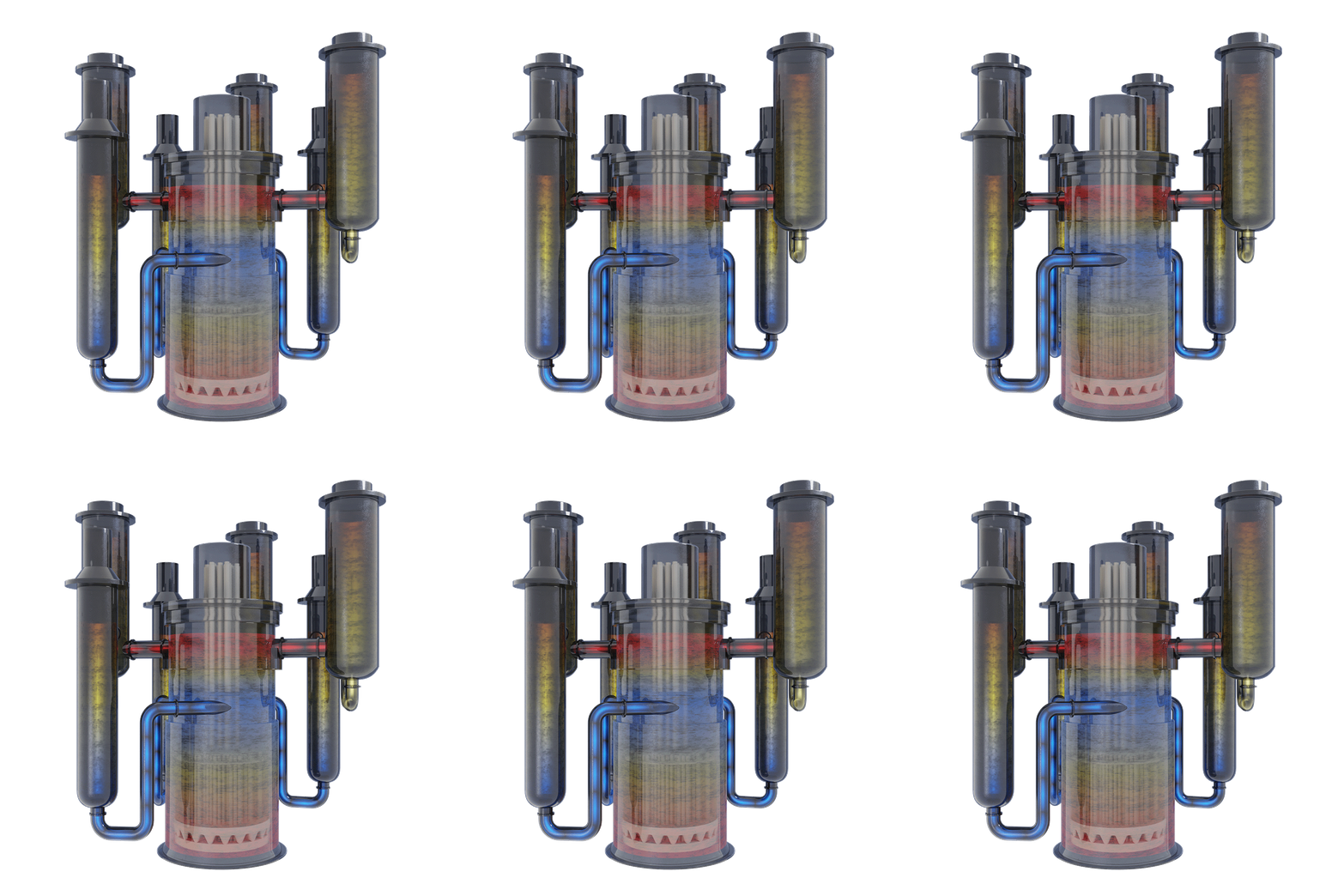
THE FANCO PROPRIETARY DEPLOYMENT SYSTEM
Built around customer needs
Coordinates utilities, industrial power customers, and grid integration from the outset for more flexibility and less risk.
Early alignment reduces transaction friction, avoids late-stage redesigns, and improves overall project economics.

-
Firm, dispatchable, carbon-free capacity
Delivering reliable power to both the grid and co-located facilities
-
Rate-ready and market-competitive economics
Structured for regulatory approval in integrated states and performance in competitive markets
-
Modular deployment
Enables phased additions rather than single large capital commitments
-
Siting flexibility
Compact footprint and standardized architecture increase viable locations, including retiring generation sites
-
Future closed fuel-cycle compatibility
Support recycling and reprocessing pathways for long-term sustainability
GET ONLINE EARLY WITH BRIDGE POWER™
Only FANCO can deliver gas-fueled power in the short term to bridge the gap to full nuclear energy delivery, with minimal equipment and modification costs.
Off-the-shelf package boilers feed steam turbines. The EAGL-1 reactor then replaces package boilers to feed the same steam turbine, seamlessly transitioning to nuclear.
Bridge Power TM can use natural gas and alternative forms of fuel such as fuel oil. It may also remain onsite after transitioning to provide backup power during EAGL-1 refueling and maintenance.
FUEL STRATEGY DESIGNED FOR ULTIMATE FLEXIBILITY
EAGL-1 is designed to use multiple fuel types and enrichment levels, making it secure and cost-effective in any supply chain situation.
Although it’s a fast-spectrum advanced reactor, EAGL-1 can operate on uranium oxide (UO2), which is the cost-effective and ubiquitous fuel form used by most traditional reactors today.
It also operates with mixed oxide (MOX) fuel, transuranic (TRU) fuels, recycled uranium, as well as fuels derived from existing stockpiles of material that would otherwise remain long-term waste.
Other advanced reactors use Tristructural-isotropic (TRISO) or metallic fuels, which require substantial R&D and first-of-a-kind fabrication facilities.
THE BEST KIND OF CLOSURE
Aiming to be the first reactor U.S. history to operate in a “closed-fuel cycle,” EAGL-1 will reprocess used fuel on-site, creating a continuous loop that turns 95% of the fuel into energy and leaving a much smaller amount of material that requires permanent disposal. The small amount that does remain decays in just a few hundred years, compared to tens of thousands of years when fuel is used just once.
EAGL-1 can also create more fuel than it burns, setting the stage for nuclear energy to be deemed not only clean, but renewable.
Importantly, EAGL-1 never separates plutonium from uranium and other transuranics, making the material inherently unsuitable for weapons use and eliminating the chance of proliferation.